Subscribe

RSS Feed (xml)

Powered By

Skin Design:
Free Blogger Skins

Powered by Blogger

Uga Wangsit Siliwangi (sunda)

Carita Pantun Ngahiangna Pajajaran

Pun, sapun kula jurungkeun
Mukakeun turub mandepun
Nyampeur nu dihandeuleumkeun
Teundeun poho nu baréto
Nu mangkuk di saung butut
Ukireun dina lalangit
Tataheun di jero iga!

Saur Prabu Siliwangi ka balad Pajajaran anu milu mundur dina sateuacana ngahiang : “Lalakon urang ngan nepi ka poé ieu, najan dia kabéhan ka ngaing pada satia! Tapi ngaing henteu meunang mawa dia pipilueun, ngilu hirup jadi balangsak, ngilu rudin bari lapar. Dia mudu marilih, pikeun hirup ka hareupna, supaya engké jagana, jembar senang sugih mukti, bisa ngadegkeun deui Pajajaran! Lain Pajajaran nu kiwari, tapi Pajajaran anu anyar, nu ngadegna digeuingkeun ku obah jaman! Pilih! ngaing moal ngahalang-halang. Sabab pikeun ngaing, hanteu pantes jadi Raja, anu somah sakabéhna, lapar baé jeung balangsak.”

Daréngékeun! Nu dék tetep ngilu jeung ngaing, geura misah ka beulah kidul! Anu hayang balik deui ka dayeuh nu ditinggalkeun, geura misah ka beulah kalér! Anu dék kumawula ka nu keur jaya, geura misah ka beulah wétan! Anu moal milu ka saha-saha, geura misah ka beulah kulon!

Daréngékeun! Dia nu di beulah wétan, masing nyaraho: Kajayaan milu jeung dia! Nya turunan dia nu engkéna bakal maréntah ka dulur jeung ka batur. Tapi masing nyaraho, arinyana bakal kamalinaan. Engkéna bakal aya babalesna. Jig geura narindak!

Dia nu di beulah kulon! Papay ku dia lacak Ki Santang! Sabab engkéna, turunan dia jadi panggeuing ka dulur jeung ka batur. Ka batur urut salembur, ka dulur anu nyorang saayunan ka sakabéh nu rancagé di haténa. Engké jaga, mun tengah peuting, ti gunung Halimun kadéngé sora tutunggulan, tah éta tandana; saturunan dia disambat ku nu dék kawin di Lebak Cawéné. Ulah sina talangké, sabab talaga bakal bedah! Jig geura narindak! Tapi ulah ngalieuk ka tukang!

Dia nu marisah ka beulah kalér, daréngékeun! Dayeuh ku dia moal kasampak. Nu ka sampak ngan ukur tegal baladaheun. Turunan dia, lolobana bakal jadi somah. Mun aya nu jadi pangkat, tapi moal boga kakawasaan. Arinyana engké jaga, bakal ka seundeuhan batur. Loba batur ti nu anggang, tapi batur anu nyusahkeun. Sing waspada!

Sakabéh turunan dia ku ngaing bakal dilanglang. Tapi, ngan di waktu anu perelu. Ngaing bakal datang deui, nulungan nu barutuh, mantuan anu sarusah, tapi ngan nu hadé laku-lampahna. Mun ngaing datang moal kadeuleu; mun ngaing nyarita moal kadéngé. Mémang ngaing bakal datang. Tapi ngan ka nu rancagé haténa, ka nu weruh di semu anu saéstu, anu ngarti kana wangi anu sajati jeung nu surti lantip pikirna, nu hadé laku lampahna. Mun ngaing datang; teu ngarupa teu nyawara, tapi méré céré ku wawangi. Ti mimiti poé ieu, Pajajaran leungit ti alam hirup. Leungit dayeuhna, leungit nagarana. Pajajaran moal ninggalkeun tapak, jaba ti ngaran pikeun nu mapay. Sabab bukti anu kari, bakal réa nu malungkir! Tapi engké jaga bakal aya nu nyoba-nyoba, supaya anu laleungit kapanggih deui. Nya bisa, ngan mapayna kudu maké amparan. Tapi anu marapayna loba nu arieu-aing pang pinterna. Mudu arédan heula.

Engké bakal réa nu kapanggih, sabagian-sabagian. Sabab kaburu dilarang ku nu disebut Raja Panyelang! Aya nu wani ngoréhan terus terus, teu ngahiding ka panglarang; ngoréhan bari ngalawan, ngalawan sabari seuri. Nyaéta budak angon; imahna di birit leuwi, pantona batu satangtungeun, kahieuman ku handeuleum, karimbunan ku hanjuang. Ari ngangonna? Lain kebo lain embé, lain méong lain banténg, tapi kalakay jeung tutunggul. Inyana jongjon ngorehan, ngumpulkeun anu kapanggih. Sabagian disumputkeun, sabab acan wayah ngalalakonkeun. Engke mun geus wayah jeung mangsana, baris loba nu kabuka jeung raréang ménta dilalakonkeun. Tapi, mudu ngalaman loba lalakon, anggeus nyorang: undur jaman datang jaman, saban jaman mawa lalakon. Lilana saban jaman, sarua jeung waktuna nyukma, ngusumah jeung nitis, laju nitis dipinda sukma.

Daréngékeun! Nu kiwari ngamusuhan urang, jaradi rajana ngan bakal nepi mangsa: tanah bugel sisi Cibantaeun dijieun kandang kebo dongkol. Tah di dinya, sanagara bakal jadi sampalan, sampalan kebo barulé, nu diangon ku jalma jangkung nu tutunjuk di alun-alun. Ti harita, raja-raja dibelenggu. Kebo bulé nyekel bubuntut, turunan urang narik waluku, ngan narikna henteu karasa, sabab murah jaman seubeuh hakan.

Ti dinya, waluku ditumpakan kunyuk; laju turunan urang aya nu lilir, tapi lilirna cara nu kara hudang tina ngimpi. Ti nu laleungit, tambah loba nu manggihna. Tapi loba nu pahili, aya kabawa nu lain mudu diala! Turunan urang loba nu hanteu engeuh, yén jaman ganti lalakon ! Ti dinya gehger sanagara. Panto nutup di buburak ku nu ngaranteur pamuka jalan; tapi jalan nu pasingsal!

Nu tutunjuk nyumput jauh; alun-alun jadi suwung, kebo bulé kalalabur; laju sampalan nu diranjah monyét! Turunan urang ngareunah seuri, tapi seuri teu anggeus, sabab kaburu: warung béak ku monyét, sawah béak ku monyét, leuit béak ku monyét, kebon béak ku monyét, sawah béak ku monyét, cawéné rareuneuh ku monyét. Sagala-gala diranjah ku monyét. Turunan urang sieun ku nu niru-niru monyét. Panarat dicekel ku monyet bari diuk dina bubuntut. Walukuna ditarik ku turunan urang keneh. Loba nu paraeh kalaparan. ti dinya, turunan urang ngarep-ngarep pelak jagong, sabari nyanyahoanan maresék caturangga. Hanteu arengeuh, yén jaman geus ganti deui lalakon.

Laju hawar-hawar, ti tungtung sagara kalér ngaguruh ngagulugur, galudra megarkeun endog. Génjlong saamparan jagat! Ari di urang ? Ramé ku nu mangpring. Pangpring sabuluh-buluh gading. Monyét ngumpul ting rumpuyuk. Laju ngamuk turunan urang; ngamukna teu jeung aturan. loba nu paraéh teu boga dosa. Puguh musuh, dijieun batur; puguh batur disebut musuh. Ngadak-ngadak loba nu pangkat nu maréntah cara nu édan, nu bingung tambah baringung; barudak satepak jaradi bapa. nu ngaramuk tambah rosa; ngamukna teu ngilik bulu. Nu barodas dibuburak, nu harideung disieuh-sieuh. Mani sahéng buana urang, sabab nu ngaramuk, henteu beda tina tawon, dipaléngpéng keuna sayangna. Sanusa dijieun jagal. Tapi, kaburu aya nu nyapih; nu nyapihna urang sabrang.

Laju ngadeg deui raja, asalna jalma biasa. Tapi mémang titisan raja. Titisan raja baheula jeung biangna hiji putri pulo Dewata. da puguh titisan raja; raja anyar hésé apes ku rogahala! Ti harita, ganti deui jaman. Ganti jaman ganti lakon! Iraha? Hanteu lila, anggeus témbong bulan ti beurang, disusul kaliwatan ku béntang caang ngagenclang. Di urut nagara urang, ngadeg deui karajaan. Karajaan di jeroeun karajaan jeung rajana lain teureuh Pajajaran.

Laju aya deui raja, tapi raja, raja buta nu ngadegkeun lawang teu beunang dibuka, nangtungkeun panto teu beunang ditutup; nyieun pancuran di tengah jalan, miara heulang dina caringin, da raja buta! Lain buta duruwiksa, tapi buta henteu neuleu, buaya eujeung ajag, ucing garong eujeung monyét ngarowotan somah nu susah. Sakalina aya nu wani ngageuing; nu diporog mah lain satona, tapi jelema anu ngélingan. Mingkin hareup mingkin hareup, loba buta nu baruta, naritah deui nyembah berhala. Laju bubuntut salah nu ngatur, panarat pabeulit dina cacadan; da nu ngawalukuna lain jalma tukang tani. Nya karuhan: taraté hépé sawaréh, kembang kapas hapa buahna; buah paré loba nu teu asup kana aseupan……………………….. Da bonganan, nu ngebonna tukang barohong; nu tanina ngan wungkul jangji; nu palinter loba teuing, ngan pinterna kabalinger.

Ti dinya datang budak janggotan. Datangna sajamang hideung bari nyorén kanéron butut, ngageuingkeun nu keur sasar, ngélingan nu keur paroho. Tapi henteu diwararo! Da pinterna kabalinger, hayang meunang sorangan. Arinyana teu areungeuh, langit anggeus semu beureum, haseup ngebul tina pirunan. Boro-boro dék ngawaro, malah budak nu janggotan, ku arinyana ditéwak diasupkeun ka pangbérokan. Laju arinyana ngawut-ngawut dapur batur, majarkeun néangan musuh; padahal arinyana nyiar-nyiar pimusuheun.

Sing waspada! Sabab engké arinyana, bakal nyaram Pajajaran didongéngkeun. Sabab sarieuneun kanyahoan, saenyana arinyana anu jadi gara-gara sagala jadi dangdarat. Buta-buta nu baruta; mingkin hareup mingkin bedegong, ngaleuwihan kebo bulé. Arinyana teu nyaraho, jaman manusa dikawasaan ku sato!

Jayana buta-buta, hanteu pati lila; tapi, bongan kacarida teuing nyangsara ka somah anu pada ngarep-ngarep caringin reuntas di alun-alun. Buta bakal jaradi wadal, wadal pamolahna sorangan. Iraha mangsana? Engké, mun geus témbong budak angon! Ti dinya loba nu ribut, ti dapur laju salembur, ti lembur jadi sanagara! Nu barodo jaradi gélo marantuan nu garelut, dikokolotan ku budak buncireung! Matakna garelut? Marebutkeun warisan. Nu hawek hayang loba; nu boga hak marénta bagianana. Ngan nu aréling caricing. Arinyana mah ngalalajoan. Tapi kabarérang.

Nu garelut laju rareureuh; laju kakara arengeuh; kabéh gé taya nu meunang bagian. Sabab warisan sakabéh béak, béakna ku nu nyarekel gadéan. Buta-buta laju nyarusup, nu garelut jadi kareueung, sarieuneun ditempuhkeun leungitna nagara. Laju naréangan budak angon, nu saungna di birit leuwi nu pantona batu satangtung, nu dihateup ku handeuleum ditihangan ku hanjuang. Naréanganana budak tumbal. sejana dék marénta tumbal. Tapi, budak angon enggeus euweuh, geus narindak babarengan jeung budak anu janggotan; geus mariang pindah ngababakan, parindah ka Lebak Cawéné!

Nu kasampak ngan kari gagak, keur ngelak dina tutunggul. Daréngékeun! Jaman bakal ganti deui. tapi engké, lamun Gunung Gedé anggeus bitu, disusul ku tujuh gunung. Génjlong deui sajajagat. Urang Sunda disarambat; urang Sunda ngahampura. Hadé deui sakabéhanana. Sanagara sahiji deui. Nusa Jaya, jaya deui; sabab ngadeg ratu adil; ratu adil nu sajati.

Tapi ratu saha? Ti mana asalna éta ratu? Engké ogé dia nyaraho. Ayeuna mah, siar ku dia éta budak angon!

Jig geura narindak! Tapi, ulah ngalieuk ka tukang!

sourcehttp://nurahmad.wordpress.com/wasiat-nusantara/uga-wangsit-siliwangi-sunda/

Read More...

West Java Specialties


Many people visit Bandung, the capital of West Java province, to pamper their taste buds. You'll be amazed with what Bandung has to offer. From various food sold on street vendors to haute cuisine, every visitor will be able to find something to their liking here, in Bandung.

Sundanese (the people living in West Java are called Sundanese) has tempting refreshments. Sundanese food tends to be bland yet tasty unless you add sambal dadak (chili and other ingredients grinded together) to your food. If you're looking for more spicy taste, just add this sambal dadak with nasi timbel (steamed rice formed into a roll inside a banana leaf) and other specialties. This mouthwatering treat is too good to be missed! Usually sour vegetables soup (sayur asam) is accompanied by nasi timbel.


People with sweet tooth might fancy pisang molen (literally
Sundanese Food
means, molen banana), Indonesian traditional pastry filled with banana and cheese. For a variation, try brownies kukus (steamed brownies). Es cendol, made of blended/grinded rice, palm sugar, and coconut milk, is delightful on a hot day. While for a colder day, you might want to taste bandrek or bajigur.


Bandung also offers various milk products most notably, yoghurt. Basically there are two kinds of yoghurt in Bandung the thin one, and the thick one (French style).

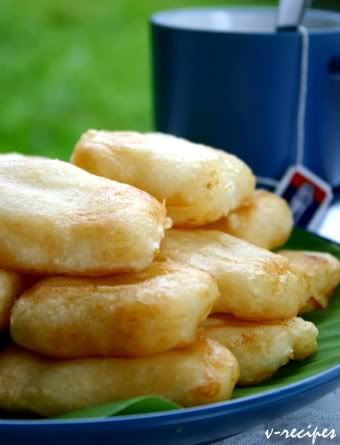
Hot snacks ala Bandung are widely sold throughout the city. Among them are gehu-toge tahu- (beancurd with beansprouts and vegetables filling), pisang goreng (fried banana), cireng-aci goreng- (fried tapioca), and many more. You might be interested in trying other snacks such as, nangka goreng (fried jackfruit), peuyeum goreng (fermented cassava, fried), nanas goreng (fried pineapple), and so on. Ketan bakar (roasted sticky rice) and jagung bakar/rebus (roasted/boiled corns) are also recommended.

Nasi goreng (fried rice), although not originally from Bandung, is also a favorite. The ingredients vary, according to people's preference. Sometimes the rice is mixed with seafood (usually shrimps, pieces of cuttlefish, pieces of crab's flesh), chicken and vegetables, mutton and vegetables, salted fish, and so on.

Cakue, a dish made of flour dough then fried, also worths a try.

Bandung also has other kinds of restaurants, like Padangese (food from West Sumatra, very spicy in taste), Javanese (sweeter in taste), Chinese, Japanese, Korean, Western,

Bandung
Fondly called Parahyangan meaning, Land of the Gods, this valley city has both metropolitan and homey atmosphere at the same time. Full of eateries, factory outlets, and malls, many people find going on a trip to Bandung both enjoyable and memorable.

Getting There
There are many ways to go to Bandung. You can go by plane, embark a train, or rent a car from Jakarta.

Where to Stay
Bandung has it all, cozy little inns to five-starred hotels.

Moving Around
Public transportation called angkot, covers most of Bandung. For greater comfort, it is best if you take a taxi. For greater comfort still, rent a car. A day's rent will save you time and trouble moving from one place to another and since Bandung is relatively small, you can cover most of Bandung's interesting places in a day.


Dining Guide
For a taste of nasi timbel and other Sundanese food, you can try the restaurants mentioned below. There are many others, though, so while you're in Bandung, you might be able to spot other restaurants selling tasty food.

BUMBU DESA
Jalan Pasirkaliki 160, Bandung
Jalan Laswi 1, Bandung
Traditional food with elegant surrounding.

BALE GAZEEBO
Jalan Surapati 49
Wide place, where you can eat while lesehan (sitting on the floor without chairs) or using a chair.

SINDANG RERET
Jalan Raya Cikole Km 22
Jalan Raya Propinsi Ciwidey, Kabupaten Bandung
Jalan Surapati 53
One of the most famous Sundanese restaurants in Bandung.

SAUNG KABAYAN
Jalan Dr. Junjunan 107, Bandung
Modernized Sundanese cooking.

SARI PARAHYANGAN
Jalan L.L.R.E. Martadinata (Riau) 156-158
Jalan Soekarno-Hatta 408
Good, plain Sundanese cooking.

KELAPA LAGOON
Jalan Sumatera 9
Chic place. Tasty but the price is higher than other Sundanese restaurants.

Most foodcourts on the malls feature Sundanese cookings/restaurants. Most well-known is Ampera. You can grab nasi timbel here after browsing the malls.

If batagor seems to tempt you, then you might want to check out these restaurants:

BATAGOR RIRI
Jalan Burangrang 41
You can buy the batagors here half-cooked, so you can fry them at home. Half-cooked batagors only last a few days if put inside a refridgerator.

BATAGOR KINGSLEY
Jalan Veteran (Bungsu) 25
Has been Bandung?s favorite for ages. You can also buy half-cooked batagors here.

BATAGOR YEYE
Jalan Buah Batu 139
Jalan Cihampelas 198B
Famous for its batagor and mutton soup.

Pisang molen, brownies kukus are available at:
Sundanese Food

KARTIKA SARI
Jalan Buah Batu 165A
Jalan Kebon Jukut 3C
Jalan H. Akbar
Jalan Kopo Sayati 111A
Jalan Terusan Jakarta 77E
Jalan Ir. H. Djuanda (Dago)

PRIMA RASA
Jalan Kemuning 20
Jalan Buah Batu 169A
Jalan Peta 169

Other bakeries also sell these delicacies. If you're busy, you can always go to supermarket. Most of them sell pisang molen and brownies kukus.

Es cendol are available at:
The most famous es cendol is called cendol Elizabeth, for it is being sold in front of Elizabeth's store (store selling bags and shoes) in Southern side of Bandung. However, it might be easier for you to order es cendol at traditional restaurants or buy it at the supermarket (prepacked, so you have to add the mixture of coconut's milk, palm sugar syrup, and the cendol on your own).

Bandrek, Bajigur are available at most Sundanese restaurants.
Sometimes they even sell bandrek and bajigur on sachets, so you can bring them as souvenirs for your loved ones.

Should you fancy yoghurt, you might try these places:

RUMAH MAKAN YOGHURT
Jalan Cisangkuy 66
Thin type of yoghurt, the hangout place for young and old alike.

BMC (BANDOENGSCHE MELK CENTRALE)
Jalan Aceh 30
Apart from yoghurt, you can try other milk products here, such as milk, kefir, and so on.

OLEH-OLEH ODISE
Jalan Sukawarna Baru 28
French-style yoghurt, thick type. You can order the yoghurt in small cups or in liters.


Interested in hot snacks?
The street vendors selling these snacks can be found throughout Bandung, most notably in Jalan Supratman and Jalan Cilaki. Ketan bakar and jagung bakar/rebus can be found on Jalan Ir. H. Djuanda (Dago) and in Lembang area.

Want a taste of fried rice?
You can get fried rice on street vendors, restaurants, or food courts in malls.

Cakue, you say? Try this place:

HAUS TEA
BEC Mall Jalan Purnawarman 13-15 2nd floor, C-05
Istana Plaza Mall Jalan Pasirkaliki 121-123, LG-B3
Try the various yummy sauce to add some taste to your cakue.


Feeling adventurous in sampling spicy Padangese food? Try these restaurants:

SIMPANG RAYA RESTAURANT
Jalan Buah Batu 150
Jalan Ir. H. Djuanda (Dago) 55
Jalan Surapati
Jalan L.L. R.E. Martadinata (Riau)
A tad more expensive than other restaurants with similar type, but decidedly tasty. Try ayam pop without the chili sauce, for those of you who favor blander (yet still delicious) food.

RUMAH MAKAN KAPAU JAYA
Jalan Dipati Ukur 80A
Relatively cheap and yummy.


If you feel like tasting Japanese, Chinese, or Korean food:

HANAMASA
Jalan Ir. H. Djuanda (Dago) 48
Buffet style, Japanese food.

SAN SUSHI BAR
Hotel Holiday Inn
Jalan Ir. H. Djuanda 29
Just like sushi bars in Japan.

OKOH
Hotel Horizon
Jalan Pelajar Pejuang 45
For sushi and various teppanyaki lovers.

MOMIJI JAPANESE CUISINE
Jalan Braga 64
Classy and unique.

PAGODA MENU MANDARIN HALAL RESTAURANT
Jalan Trunojoyo 32
Spacious place, oriental-style. Delicious food, too. It is also halal, so Muslim people can eat here without any doubts.

EASTERN SHARK FIN?S RESTAURANT
IP Mall, Jalan Pasirkaliki 121-123
Wide variety of Chinese food.

FLAMBOYANT CENTRE
Flamboyant Centre, Jalan Sukajadi 232-234
For hainan rice and juan lo lovers.

KOREAN HOUSE
Jalan Sukajadi 175
Cozy place with great service.

HAN KOOK GARDEN RESTAURANT
Jalan Karang Sari 21
Very Korean, very chic.


If steak and western food are your favorites, then you might be interested in trying these places:

CAFE BALI
Jalan L.L. R.E. Martadinata (Riau) 215
Yummy western food with Balinese atmosphere. Aside from western food, this place also serves tradional Indonesian food.

DAKKEN COFFEE & STEAK
Jalan L.L. R.E. Martadinata (Riau) 67
While savoring your steak, you can also try their coffee. Ideal for hang out.

WARUNG LAOS
Jalan Prof. Dr. Eyckman 2
Delicious spaghetti and tasty pizza with thin crusts will make you longing for more.

SUIS BUTCHER & TERRACE
Jalan Dr. Setiabudhi 174
Cool atmosphere, yummy food.

TAMANI CAFE Jalan Ir. H. Djuanda 7-9
Great western food. Also serves Indonesian and Japanese food. Big portion.

Bandung also has many good restaurants serving seafood. Among them are:

KEPITING SUPER PARIT 9 SEAFOOD
Jalan Cendana 4
Mouthwatering dishes. You can also buy their specialty?crabs, put inside a thermos flask. Ideals as gifts.

THE OCEAN SEA FOOD & GRILL
Jalan Sukajadi 225
On weekends, you will be able to watch live music. Big portion.

Those who fancy Thai food can try these restaurants:

COCA SUKI
Jalan Ir. H. Djuanda (Dago) 173
Great service. Mouthwatering dishes.

ROYAL SIAM THAI RESTAURANT
Jalan Braga 121 2nd Floor
Endless variations of Thai food.


Vietnamese food lovers might find this restaurant to their liking:

HANOI HOUSE
Jalan Sunda 56
If you visit this place on weekends, you'll be able to order from their special menu.


Souvenir Tips
Bandung mainly offers food and drink as souvenirs. Visit these stores to grab the famous keripik tempeh, keripik oncom, sale pisang, dodol, and other delicacies:
RAOS, KARYA UMBI
Both are located in Jalan Cihampelas.


Other Things to See or Do
Shop till you drop at the plentiful Factory Outlets and Malls, visit Cihampelas street to find jeans and clothes, go to Cibaduyut street to see leather products especially shoes and bags, visit other places of attraction in Bandung and surroundings.


Travel Tips

  • If you plan to go to Bandung often, buy a complete map in major book stores। It's a great investment। That way you might save some money. Instead of renting a car, for instance, you can maximize public transportation to bring you anywhere you want to go.
  • you're not certain of local customs, language, menu, etc. don't hesitate to ask!
  • It is advisable to learn a few important phrases in Indonesian. Not all Indonesians can speak English well.

Read More...

Museum of The Asian-African Conference


The Asian-African Conference which was held on 18th to 24th April 1955 in Bandung gained a big success both in formulating common concerns and in preparing operational guidance for cooperation among Asian African Nation as well as in creating world order and world peace. The conference has had a result Dasasila Bandung, which became the guideline for the colonized countries in fighting for their independence. It also became the fundamental principles in promoting world peace and international cooperation. The success of the conference was not only for the time being but also for the time after so that the soul and spirit of the Asian-African Conference becomes one of the most important factor that deciding world history.


All is a huge prestige that gained by the Asian African Nations. The spirit of Bandung had succeeded in widening the work volume among Asian African Nations. As a consequence, their influence and their role in international cooperation are increased and more respected.

In order to maintain those mentions above, it is important if the Asian-African Conference with its event is maintained eternally in a museum where the conference was held, Gedung Merdeka, Bandung, a city that is considered as a capital city and a source of inspiration for the Asian-African Nations.

As a Minister of Foreign Affairs, Prof. Dr. Mochtar Kusumaatmadja, S.H., LL.M., often met and got involved in some discussions with some of the Asian African Leaders. They frequently asked him about Gedung Merdeka and City of Bandung, which was the venue of the Asian-African Conference. The discussions were always ended with their wishes to be able to visit Bandung and Gedung Merdeka.


Inspired by desires to eternalize the Asian-African Conference, the idea of establishing a Museum of the Asian-African Conference in Gedung Merdeka was born by Prof. Dr. Mochtar Kusumaatmadja, S.H., LL.M.. The idea was delivered in the meeting of the Committee for the Commemoration of the 25th Anniversary of the Asian-African Conference (1980), which was attended by Directorate General of Culture, Prof. Dr. Haryati Soebadio as a representative for the Department of Culture and Education. Fortunately, the idea was fully supported including President of the Republic of Indonesia, Soeharto


The idea of establishing the Museum of the Asian-African Conference had been materialized by Joop Ave, the Executive Chairman of the Committee of the 25th Anniversary of the Asian-African Conference and Director General of Protocol and Consular in the Department of Foreign Affairs in cooperation with Department of Information, Department of Education and Culture, the Provincial Government of West Java, and Padjadjaran University. The technical planning and its execution was carried out by PT Decenta, Bandung.


The Museum of the Asian-African Conference was inaugurated by President of the Republic of Indonesia, Soeharto on 24th April 1980 as the culmination of the 25th Anniversary of the Asian-African Conference.

FACILITIES

1. PERMANENT EXHIBITION ROOM

Museum of the Asian-African Conference has a permanent exhibition room, which exhibits collections of three-dimension objects and documentary photos of Tugu Meeting, Colombo Conference, and Asian-African Conference 1955.
The exhibition room also provides:
- the historical events that become the historical background of the Asian- African Conference;
- the effect of the Asian-African Conference to the world;
- Gedung Merdeka from time to time;
- Profile of the participant countries of the Asian-African Conference that are performed in the multimedia.

In order to welcome the Delegates of the Tenth Summit of the Non-Aligned Movement in 1992 in which Indonesia had been chosen as the host of the conference and became the Leader of the Non-Aligned Movement, the diorama describing the Opening Session of the Asian-African Conference was made।


Renovation of the Permanent Exhibition Room “The History of the Asian African Conference 1955”

In the framework of the Asian-African Summit 2005 and the 50th Anniversary of the Asian-African Conference on 22 - 24 April 2005, initiated by the Minister of Foreign Affairs, Dr. N. Hassan Wirajuda, the display of the exhibition room at the Museum of the Asian-African Conference was renovated. The renovation was materialized through the cooperation among Department of Foreign Affairs, Secretariat of State, and Provincial Government of West Java. The planning and the execution were carried out by Vico Design and Wika Realty.

The Groundwork of Making the Permanent Exhibition Room “History of the Struggle of the Asia Africa” and Hall of the National Identity of the Asian African Countries (2008)

Department of Foreign Affairs RI has a plan to develop the Museum of the Asian African Conference as a symbol of cooperation between two regions and develop it as a study center, the archive center, and documentation center. One of its efforts is by making some permanent exhibition rooms that perform some pictures and three dimension objects concerning the New Asian African Strategic Partnership / NAASP also some materials that describe the culture of both regions.

The establishment of the museum is planned to be real in April 2008l 2008, on the 3rd Anniversary of the Asian African Summit.

LIBRARY
The library provides many books on history, social, politic, and culture of the Asian African Countries and others; documents of the Asian-African Conference and its preliminary conferences; magazines and newspapers donated from other institutions or gained by purchase।

Along with the extension of the permanent exhibition rooms on April 2008, the library will also be developed as an Asian African Library Center which its process will be started in 2007. it is hoped that the library will be the main source of information about those two regions that provide some facilities such as wifi zone, bookshop café, digitall library and audio visual library.

AUDIO विसुअल


As well as the library, the audio visual was built in 1985. the presence of this museum is also inspired by Abdullah Kamil.

The room is applied to perform documentary films on world condition until 1950s, Asian-African Conference and its preliminary conferences, and films about the social, politic, and culture condition of the Asian-African Countries.


Open for public:

Monday-Friday 08.00-15.00 WIB


Contact:

Museum of The Asian-African Conference
Jl. Asia Afrika No. 65, Bandung 40111

Phone : (+62-22) 4233564/ 4238031
Fax : (+62-22) 4238031
E-mail :
info@asianafrican-museum.org
Website : http://www.asianafrican-museum.org/

Read More...

KH. A.F. Ghazali


KH. A.F. Ghazali, da’i kondang yang sangat dicintai oleh umat. Dalam ceramahnya, KH. A.F. Ghazali lebih banyak menggunakan bahasa Sunda. Beliau selalu menggunakan bahasa yang mudah dicerna oleh masyarakat, pandai dalam membuat analogi yang bisa dimengerti. Guyonannya segar dan cerdas. Tidak heran kalau kasetnya laku keras.


Menurut Ibu Hj. A.F. Ghazali, kalau mau ceramah di suatu daerah, terlebih dulu beliau selalu mengadakan observasi. Bagaimana gaya bicaranya di daerah tersebut? Apa mata pencaharian pada umumnya? Bahkan tanahnya pun tidak lepas dari pengamatan KH. A.F. Ghazali. Jika tanahnya gersang, karakteristik penduduknya akan berbeda dengan yang tinggal di tanah subur. Demikian kata Ibu Hj. A.F. Ghazali sambil memperlihatkan koleksi kaset-kaset ceramah KH. A.F. Ghazali.

Semoga Ibu Hj. A.F. Ghazali mendapat ketabahan dalam menjalani hari-hari tanpa didampingi lagi suami tercinta, KH. A.F. Ghazali. Dan semoga KH. A.F. Ghazali mendapat tempat mulia di sisi Alloh SWT, Amiiin.

Sumber : Galuh-purba.com

Read More...

Students Opened Asean conference in Bandung

Bandung (ANTARA) - The first student conference involving ASEAN countries and friendly countries such as Singapore, Thailand, malaysia, Philippines, Brunei, Vietnam, Myanmar, Cambodia, Laos, China, Japan, Korea, officially opened in Gedung Merdeka, Jl . Asia Africa, Bandung, on Wednesday night (20 / 5).
Advertisement

ASEAN University Student Conference? which was held from May 20-24 this is the result of cooperation between the State Ministry of Youth and Sports in coordination with the ASEAN Secretariat, supported by the Ministry of Foreign Affairs, Budpar, Diknas, Sesneg, and Menkokesra, and assistance Pemprov Jabar Bandung and Pemkot as `comittee organizing.


Right w.ib. at 20:00, started the event with art attractions Manuk Dance, 180 delegates of the ASEAN countries came impose detail in clothes typical country.

Based on the report committee, 100 delegates from Indonesia in which about 40 are from universities persennya Bandung. While the other participants to 80, come from Brunei Darusalam 7 people, 9 people Philippines, Thailand, 11 people, 8 people of Laos, Myanmar 6, Malaysia 11, Singapore 8, 10 Vietnam, Cambodia 5 people, 5 people of Timor Leste.

With mengusung theme Enriching & Preserving Our Cultural Heritage, organizing this conference is expected to result in `Plan of Action or a joint declaration that describes the action plan in 3-5 years to maintain, enhance, and utilize the cultural heritage.

In addition, this event is also an effort to raise awarness of the `youth of ASEAN, bring all parties to prepare the young generation in the competence of the more stringent, given that the 2015 ASEAN akan ignites in` single ASEAN community.

We want to create a force among the younger generation for future investment, and avoid the threat of damage to the structure and culture of developing countries, said Minister of Youth and Sports, Dr. Ir. Adhyaksa Daus, M. Si attended the ceremony.

The threat is Menpora i was four, namely industry, investment, individualism, information.

We can not avoid globalization. But can avoid the filters of culture, ethics, and moral related to teachings of religion. This would be raised through a unity between the countries in southeast asia, Menpora said.

Based on the results of the meeting of ASEAN countries in Chiangmai, Thailand, June 2008, Indonesia's role as a spark ideas conference eventually appointed as the host of the forum to share information and aspirations for the youth of ASEAN this.

"Elections Bandung as the host was more because of culture-historical," added the Governor of West Java, Ahmad Heryawan, after ceremony.

The Bandung conference was the Asia-Africa tens of years ago remind participants to return the value of the history of the quarry was going back to the community, so that the enthusiasm raised again in the context of the other, first grab for independence and now fill kemerdeka, clearly the Governor.

This activity is also expected to develop the potential of the option to bring mind-thought big, he said.

Read More...

Garut Developing The Papandayan Tourism


Some management of hotels, resort and tourism services in Garut, initiate to developing tourism in Garut by adding traveling packages to there. One of the offering packages is "waiting the sunrise in top of Papandayan".


According to Mr. Goya A Mahmud from Kampoeng Sampireun Resort & Spa, compared to Bromo, tourism resort such as Garut has advantages ; after seeing the sunrise in the top of Papandayan, the tourist will bring to rafting in Cimanuk river about 8 meters length that will end in the center of town. Then to relieve the exhausted after rafting, tourist can dip in hot water of Cipanas before going home.
Nowadays the tourist package of Sunrise at Papandayan and rafting in Cimanuk river have been introduced to travel agents in Bandung and Jakarta. It is expected that they can offer traveling package to foreigners and can make Garut as tourist destination from Jakarta after Bandung at the week end.
Source : (FKYN for visitbandung.net)

Read More...

List of Sundanese Restaurants

AA Laksana
Jl. Cihampelas No. 30
+62 22 4265638

Ayam Goreng Cianjur
Jl. Sunda No. 57
+62 22 4236945;513187

Ayam Goreng Cihampelas
Jl. Cihampelas No. 72
+62 22 4263992


Ayam Goreng Cipaganti
Jl. Cipaganti No. 146
+62 22 2042751

Ayam Goreng Cirebon Ny. Lauw
Jl. Semar No. 23
+62 22 6012023

Ayam Goreng Nikmat
Jl. Panaitan No. 9
+62 22 4237084

Ayam Goreng Raos
Jl. Semar No. 15
Babakan Siliwangi
Jl. Siliwangi No. 7
+62 22 2501394

Bale Gazeeboe
Jl. Suropati No. 49
+62 22 2506716

Boga Kuring
Jl. Dago Bukit Utara No. 53
+62 22 2505365

Boga Sunda
Jl. Dr. Junjungan No. 63

Dago Panineungan
Jl. Ir.H.Juanda No. 153
+62 22 2502011; 2532032

Iteung
Jl. Sadakeling No. 3
+62 22 7306060

Kampoeng Kuring
Jl. Cihampelas No. 30
+62 22 4263638<

Ma Uneh
Jl. Dr. Setiabudi No. 159

Ma Uneh
Jl. Terasana I No. 132
+62 22 4202568

Mang Kabayan
Jl. Sunda No. 24
+62 22 4264552
Pangandaran
Jl. Soekarno Hatta No. 168
+62 22 5410279

Panineungan Endah
Jl. Tubagus Ismail 60
+62 22 2503470
Panyileukan
Jl. Soekarno Hatta No. 855
+62 22 7800416

Ponyo 3
Jl. Malabar No. 60
+62 22 7301477

Ponyo Alam Sejuk
Jl. Kol. Masturi No. 8 Lembang
+62 22 2787768

Riung Panyileukan
Jl. Raya Lembang No. 176
+62 22 2786787

Pondok Sate Mang Oyok
Jl. Sentra Sari Mall Kav B4/92
+62 22 2016125

Ponyo 2
Jl. Raya Cinunuk No. 186 Cileunyi
+62 22 7801858

Riung Sari
Jl. LL. R. E. Martadinata No. 22
+62 22 4206723; 4213771

Sari Nikmat Parasmanan
Jl. Veteran No. 78
+62 22 4264332

Sari Parahyangan
Jl. LL. R. E. Martadinata No. 156-158
+62 22 7205788

Sari Parahyangan
Jl. Soekarno Hatta No.408
+62 22 5226207

Sari Raos I
Jl. Raya Lembang No. 240
+62 22 2786990

Sari Raos II
Jl. Cihampelas No. 122
+62 22 2038993

Sari Sunda
Jl. Lengkong Besar No. 77
+62 22 4238125

Saung Dago
Jl. Ir. H. Juanda No. 151 A
+62 22 2532047

Saung Kabayan
Jl. Dr. Junjunan 107
+62 22 6038370

Saung Lengkong
Jl. Lengkong Besar No. 8

Saung Lingkar
Jl. Lingkar Selatan No. 217
+62 22 604180

Saung Pancuran
Jl. Sawunggaling No. 4

Saung Ranggon
Jl. Tangkuban Perahu 100 Lembang
+62 22 2768215

Saung Rasa
Jl. Jend. A. Yani No. 259

Saung Rossan
Jl. Sersan Bajuri No. I00
+62 22 2003047

Sindang Heula
Jl. Otista No. 16

Sindang Reret
Jl. Surapati No. 53
+62 22 2501474

Sindang Reret II
Jl. Raya Cikole Km.22 Lembang
+62 22 2786500

Soto Bandung
Jl. Cibadak No. 93
+62 22 4205336
Sunda Rumah Makan
Jl. Saad No. 20
+62 22 4241836

Warung Cepot
Jl. Pasirkaliki No. 96
+62 22 6646031

Read More...

PETUNJUK PELAKSANAAN LOMBA BANDUNG GREEN AND CLEAN 2009


PETUNJUK PELAKSANAAN LOMBA BANDUNG GREEN AND CLEAN 2009
TINGKAT RW SE-KOTA BANDUNG

PENJELASAN SINGKAT:


Judul : Bandung Green and Clean 2009
Masa Lomba : April-Juli 2009
Kategori : Umum
Setiap kecamatan wajib mendaftarkan tiap-tiap RW untuk mengikuti kompetisi ini. Total 100 RW.


Motivator:
Susunan Tim Juri : Unilever, Radio Rase FM, Pikiran Rakyat, Lembaga Penerapan Teknologi dan Pemkot Bandung.

Penilaian Lomba:
a. Tahap I
a. Pengelolaan Sampah
b. Penghijauan
c. Partisipasi Masyarakat (50 kader/RW)
b. Tahap II
a. Pengelolaan Sampah
b. Penghijauan
c. Daur Ulang
d. Partisipasi Masyarakat (100 Kader/RW)
e. Replikasi Wilayah min. I RW (50 Kader)

Dana penghargaan : Dengan total nilai Rp. 35.000.000,- (Tiga puluh lima juta rupiah)

Penyelenggara: Unilever, Radio Rase FM, Pikiran Rakyat, Lembaga Penerapat Teknologi dan Pemkot Bandung.

Syarat-syarat Khusus

1. Memiliki kelompok yang melaksanakan kegiatan kebersihan dan atau penghijauan, serta pengolahan sampah dilingkungannya secara aktif.
2. Kelompok tersebut memiliki setidaknya 50 (lima puluh) orang kader per RW, penggerak yang akan mewakili RW nya untuk mengikuti berbagai kegiatan yang berkaitan dengan lomba :

* Melakukan presentasi pada tiap tahap seleksi 30 besar tentang rencana yang berkaitan dengan masalah sampah dan penghijauan di wilayahnya.
* Bagi RW yang lolos seleksi, 1 (satu) orang fasilitatornya (FTT) bersedia mengikuti pelatihan untuk peningkatan pengetahuan dan keterampilan dalam pengolahan sampah, penghijauan & resapan.
* FTT tersebut bersedia menggerakkan masyarakat di lingkungannya untuk melaksanakan kegiatan yang berkaitan dengan kebersihan dan penghijauan dilingkungan masing-masing.

TAHAPAN SELEKSI

Kategori:
UMUM
1. BIG SELECTION (menentukan 100 kandidat
peserta)

* Kelengkapan administrasi
* Pemenuhan syarat umum
* Pemenuhan syarat khusus

2. 100 SELECTION (menentukan 100 RW
peserta)

* Situasi dan kondisi wilayah RW sesuai yang dilampirkan
* Animo warga terhadap lomba

3. FINAL SELECTION (menentukan 30 RW
peserta)

* Program kerja yang disampaikan kader dalam presentasi
* Situasi & kondisi wilayah yang menunjang
* Animo kader, warga dan tokoh masyarakat

4. PENGUMUMAN HASIL SELEKSI

* Hanya calon peserta yang lolos seleksi yang akan diberitahukan langsung oleh panitia melalui surat resmi/pengumuman melalui Radio Rase FM dan Pikiran Rakyat
* Pengumuman hasil di seleksi 30 dan 5 Besar RW melalui Radio Rase FM dan Pikiran Rakyat

SYARAT PESERTA BANDUNG GREEN CLEAN 2009

Syarat Umum

1. RW yang mewakili tiap kelurahan yang di tunjuk oleh kecamatan di wilayah kota Bandung
2. Belum pernah menjadi pemenang lomba kebersihan dan penghijauan lingkungan (tingkat kota Bandung)
3. Mengisi formulir dan daftar pertanyaan kesediaan mengikuti lomba dari ketua RW dengan mencantumkan 1 (satu) orang fasilitator yang akan diutus (daftar isian sudah disediakan).
4. Melampirkan foto-foto yang mencerminkan kondisi lingkungan saat ini (max. 10 foto yang mewakili wilayah).
5. Menyerahkan formulir kepada panitia selambatnya tanggal 8 Mei 2009.
6. Mengikuti technical meeting dan sosialisasi lomba Bandung Green & Clean 2009 yang diwakilkan oleh satu orang perwakilan RW.

Tempat dan waktu (tentative)

TATA CARA LOMBA

a. Tahap I

Tata cara lomba:

* Dalam menjalankan tugasnya, FTT akan dibantu/didampingi oleh relawan yang sebelumnya sudah dibekali dengan pengetahuan dan keterampilan yang dibutuhkan.
* Fasilitator & relawan akan membuat laporan peserta secara berkala untuk memantau proses kegiatan yang dilakukan.
* Selain dari laporan relawan, tim penilai akan menurunkan petugas lapangan untuk melakukan penilaian secara terbuka maupun rahasia.
* Pengumuman total 30 Besar akan disiarkan Radio Rase FM dan Pikiran Rakyat

Pengumuman & penyerahan hadiah akan dilakukan pada bulan Juli 2009.

PRA LOMBA
Pelatihan Fasilitator RW

Materi:

* Pemahaman maksud, tujuan dan tata cara lomba
* Pelatihan pengolahan sampah, penghijauan & resapan air
* Kiat memotivasi dan menggerakkan masyarakat
* Kiat penggalangan dana untuk kebersihan dan penghijauan lingkungan & resapan air
* Merumuskan program kerja dilingkungan masing-masing

SCHEDULE
Pengembalian formulir BGC 2009 April 2009

* Pelatihan 100 Fasilitator wilayah Mei 2009
* Masa Program 100 RW Mei-Juni 2009
* Penilaian Tahap I (100 RW) Juni 2009
* Pengumuman 30 Besar Juni 2009
* Masa lomba 30 Besar Juni-Juli W3 2009
* Penilaian akhir 30 Besar Juli 2009
* Pengumuman pemenang Juli 2009
* Formulir dan daftar isian dapat diambil dan serahkan ke alamat: Kantor BPLH kota Bandung, Jl. Sadang Tengah No. 4-6 Bandung 022-2511513

LPTT-BGC: Jl. Tubagus Ismail No. 40 Bandung
Tlp. 022-82523409,
Cp: Tri Cahyana 08170213972
Novi Varlina Ristandi 022-82523409

Radio Rase FM: Jl. Setiabudhi no. 19 Bandung
022-2038390, Cp: San-san/Anggia

Pikiran Rakyat: Jl. Asia Afrika no. 77 Bandung
Cp: Widya (022) 4240600

Kantor BPLH kota Bandung: Jl. Sadang Tengah No. 4-6 Bandung
022-2511513, Ir. Lita Endang s,Msi.

Read More...

Rehabilitasi Citarum Bebani Masyarakat


SOREANG, (PRLM).-Bank Pembangunan Asia (ADB) mengucurkan pinjaman baru untuk rehabilitasi Sungai Citarum dan anak-anak sungainya senilai 500 juta dolar AS (sekitar Rp 5 triliun). Namun, berkaca kepada pinjaman terdahulu, projek baru tersebut dinilai hanya menghamburkan dana dan membebani masyarakat.

"Pemerintah Indonesia meminjam dana ADB 500 Juta dolar AS untuk Integrated Citarum Water Resources Management Investment Program (ICWRMIP)," kata Sekretaris Komisi C DPRD Kab. Bandung, M. Ikhsan, di ruang kerjanya, Kamis (14/5).


Pinjaman tersebut, kata Ikhsan, untuk melakukan efisiensi penggunaan air irigasi sehingga bisa dialokasikan untuk penggunaan air bernilai ekonomi tinggi seperti untuk rumah tangga dan industri. "Projek itu juga untuk meningkatkan pasokan air bersih konsumsi Jakarta dan ajang uji coba penerapan konsep pengelolaan wilayah sungai terpadu, Integrated Water Resource Management (IWRM)," ujarnya.

ICWRMIP memakai skema pendaan baru yakni Multitranche Financing Facility (MFF) sehingga dewan direksi ADB dapat menyetujui seluruh tahapan projek. "Projek ini juga memberikan pinjaman kepada pengelola air minum Jakarta PT PAM Lyonaise Jaya untuk perbaikan pelayanan dan memperluas jaringan," ucapnya menjelaskan.(A-71/A-50)***

Sumber : Pikiran Rakyat

Read More...

Kenalkan Budaya Sunda dengan Payung Geulis


TANGAN-tangan mungil anak-anak dari 12 taman kanak-kanak di Kota Bandung tekun menyapukan kuas ke payung Tasik yang menjadi media kreasi bebas. Tiap anak mendapat satu payung Tasik berukuran mini yang masih polos untuk dihias dalam lomba menghias payung tasik yang diadakan TK Avicena di Jalan Cikutra III No 19, Bandung, Minggu (10/5).

Payung yang terbuat dari kertas dengan rangka dan batang dari kayu dan bambu ini biasa disebut payung geulis.


Dengan semangat tinggi, anak-anak ini melukis payung dengan gambar bunga menggunakan beraneka warna. Cat air yang mengotori tangan mereka tidak membuat bocah-bocah yang masih polos itu terganggu.

Lokasi lomba di tempat biasa siswa TK Avicena bermain membuat anak-anak merasa nyaman, bahkan mereka merasa sedang bermain, bukan berlomba. Dalam satu jam, para peserta menyelesaikan pekerjaan mereka menghias payung.

"Dengan mengikuti lomba ini, mereka diharapkan mengetahui ada juga payung tradisional dari kertas, yang dulu sering dipakai oleh eneng-eneng (gadis Sunda)," kata Ketua Pelaksana Lomba Menghias Payung Tasik sekaligus Kepala Sekolah TK Avicena Nia Komala Minggu (10/5).

Menurut Nia, tujuan dari lomba ini adalah untuk menggali potensi anak-anak TK di Kota Bandung sekaligus memperkenalkan kebudayaan Sunda lebih dini. Lomba tersebut diikuti oleh 20 siswa yang sudah diseleksi dari 150 siswa.

Andriani (37), orang tua peserta, mengatakan, anaknya senang sekali ikut lomba ini. ''Anak saya suka mewarnai, tapi sayang saya tidak boleh ikut melihat dia mewarnai payungnya," ujarnya.

Salah satu peserta, Yuti Syarah (6), siswa tingkat B dari TK Al-Irsad, memilih menggambar jeruk untuk menghias payungnya karena dia mengaku senang dengan buah jeruk. (yatni setianingsih)

Sumber : Tribun Jabar

Read More...

History of Bandung

  • 1488 - Bandung was founded as part of the Kingdom of Pajajaran.
  • 1799 - VOC so that the bankruptcy of his diambilalih in the archipelago by the Dutch government. Bandung at that time led by the Regent R.A. Wiranatakusumah II.
  • 1808 - the Netherlands Herman Willem Daendels as Governor-General in the archipelago after abandoned VOC.
  • 1809 - Regent ordered the transfer of capital from rural areas to Karapyak River Cikapundung (square now) that the time is still forest but there are settlements in the north.
  • 1810 - Daendels drive a stick on the edge of the river Cikapundung opposed to the square now. "Zorg, dat als ik terug hier een stad cereal bowl is gebouwd!" (Try, when I come back to here, a city has been built! "). Now the place is a central point or 0 KM city.
  • 25 May 1810 - Daendels ask Bandung regent Parakanmuncang and move to the capital region.
  • 25 September 1810 - Daendels issued a decree pindahnya capital city and at the same time as lifting Raden Syrian Patih Parakanmuncang. Since these events serve as the September 25 anniversary of Bandung and RA Wiranatakusumah as the founding father. Now replace the name enshrined Cipaganti road, where this region became regent during the housing capital move to square now.
  • 24 March 1946 - Bandung Pembumihangusan by the freedom fighter known as the 'Bandung Lautan Api' and enshrined in the song "Halo-Halo Bandung".
  • 1955 - Asia-Africa Conference held on 18 April 1955 at Gedung Merdeka, the first named "Concordia" which is located on Jl. Asia Africa, opposed the Savoy Homann hotel.
  • 2005 - KTT Asia-Africa २००५
  • In 2006, Bandung city terkotor predicate get from the government, this is closely related to the emergency status of the waste was going on in Bandung on the year.

-------------------------------------------------------------------------------------------------

  • 1488 - Bandung didirikan sebagai bagian dari Kerajaan Pajajaran.
  • 1799 - VOC mengalami kebangkrutan sehingga wilayah kekuasaannya di Nusantara diambilalih oleh pemerintah Belanda. Saat itu Bandung dipimpin oleh Bupati R.A. Wiranatakusumah II.
  • 1808 - Belanda mengangkat Herman Willem Daendels sebagai Gubernur Jenderal di Nusantara setelah ditinggalkan वोक।
  • 1809 - Bupati memerintahkan pemindahan ibu kota dari Karapyak ke daerah pinggiran Sungai Cikapundung (alun-alun sekarang) yang waktu itu masih hutan tapi sudah ada permukiman di sebelah utara.
  • 1810 - Daendels menancapkan tongkat di pinggir sungai Cikapundung yang berseberangan dengan alun-alun sekarang. “Zorg, dat als ik terug kom hier een stad is gebouwd!” (Usahakan, bila aku datang kembali ke sini, sebuah kota telah dibangun!”). Sekarang tempat itu menjadi titik pusat atau KM 0 kota Bandung.
  • 25 Mei 1810 - Daendels meminta bupati Bandung dan Parakanmuncang memindahkan ibukota ke wilayah tersebut.
  • 25 September 1810 - Daendels mengeluarkan surat keputusan pindahnya ibu kota Bandung dan sekaligus pengangkatan Raden Suria sebagai Patih Parakanmuncang। Sejak peristiwa tersebut 25 September dijadikan sebagai hari jadi kota Bandung dan R.A. Wiranatakusumah sebagai the founding father. Sekarang nama tersebut diabadikan menggantikan jalan Cipaganti, di mana wilayah ini menjadi rumah tinggal bupati sewaktu ibu kota berpindah ke alun-alun sekarang.
  • 24 Maret 1946 - Pembumihangusan Bandung oleh para pejuang kemerdekaan yang dikenal dengan sebutan 'Bandung Lautan Api' dan diabadikan dalam lagu "Halo-Halo Bandung".
  • 1955 - Konferensi Asia-Afrika diadakan pada tanggal 18 April 1955 di Gedung Merdeka yang dahulu bernama "Concordia" yang berlokasi di Jl. Asia Afrika, berseberangan dengan hotel Savoy Homann.
  • 2005 - KTT Asia-Afrika २००५
  • Pada tahun 2006 Bandung mendapatkan predikat kota terkotor dari pemerintah, hal ini bertalian erat dengan status darurat sampah yang sempat terjadi di Bandung pada tahun tersebut.

Read More...

Bandung, city of arts and lights


Bandung, city of arts and lights by en.en.
This photo is taken right under the Pasupati Bridge in Bandung. I saw this amazing graffiti art on the column and I can't help but to stop in the middle of the road to take this photo =)
Whoever the artist is...you're amazing!!


Bandung, city of arts and lights : Competition Photo #2
Bandung, Indonesia
Feb 17, 2008

P.s. Arlin, thanks for the title & advice
and Tha, thanks for the advices =)

Read More...

Bandung, Tidak Cuma Punya FO dan Kuliner


BANDUNG — Kabupaten Bandung merupakan daerah yang terkenal dengan berbagai macam wisata, seperti wisata belanja di factory outlet (FO) dan kuliner di Provinsi Jawa Barat, juga memiliki banyak potensi wisata yang masih belum tergali, terutama wisata bumi.

"Kabupaten Bandung memiliki potensi wisata yang menawarkan keindahan alam dengan berbagai macam sejarah di dalamnya," kata T Bachtiar dan Budi Barahmantyo, penulis buku Wisata Bumi, Cekungan Bandung yang diluncurkan dalam pembukaan peringatan HUT Konferensi Asia-Afrika (KAA) ke-54 di Gedung Merdeka, Jalan Asia Afrika Bandung, akhir pekan kemarin.


Pada diskusi buku tersebut kedua penulis memperkenalkan potensi-potensi wisata bumi yang berada sangat dekat dengan orang-orang di Bandung, yakni sekitar Kabupaten Bandung yang pada masa prasejarah merupakan cekungan dan dalam perkembangannya banyak ditemukan peninggalan artefak dan bukti-bukti geologis peninggalan zaman prasejarah.

Menurut Bachtiar, dia mulai menjelajahi alam Kabupaten Bandung sejak meninggalkan kota kelahirannya di Pameungpeuk, Garut, tahun 1974. Saat itu ia kehilangan aroma desa, seperti aroma tanah, hujan, dan kabut.

Kemudian ia mulai menjelajahi alam dan mendapati banyak sekali kekayaan alam bandung di dalamnya. Ia masih ingat bagaimana rasanya memandangi alam dengan tetesan embun di ujung rumput dan sinar matahari yang terbias oleh embun.

Pada tahun 2000-an Bachtiar yang juga seorang dosen di Fakultas Ekonomi Univesitas Langlangbuana mengajak sejumlah guru untuk melihat keindahan Goa Pawon. Di sana pula ia menemukan banyak artefak zaman prasejarah dan bertemu dengan Budi. Ternyata Budi memiliki hobi yang sama dengan Bachtiar dan sedang meneliti bebatuan yang ada di Goa Pawon.

Dia sengaja mengajak guru karena guru dapat menceritakan kembali kepada murid-muridnya dan tiap tahun akan berganti sehingga tiap tahunnya semakin banyak siswa yang memahami keindahan dan sejarah cekungan Bandung.

Bahctiar dan Budi sama-sama intens menulis di media massa tentang bagaimana pentingnya konservasi alam di Kabupaten Bandung. Sampai akhirnya tulisan-tulisan mereka dibukukan oleh Lembaga Geologi dengan judul Geowisata, Sejarah Bumi Bandung pada tahun 2006 dan diterbitkan kembali dengan revisi menjadi Wisata Bumi, Cekungan Bandung.

Bachtiar dan Budi melalui bukunya mengajak semua masyarakat bandung untuk dapat menemukan kembali Bandung dengan segala keramahan masyarakat dan keindahan alamnya. Diceritakan dalam buku bagaimana catatan perjalanan dan pengalaman berwisata di alam Bandung. "Hal yang bisa dilakukan dengan perjalanan setengah hari mungkin Goa Pawon, lagi pula Goa Pawon adalah tempat yang paling menarik," kata Budi yang juga dosen geologi di ITB.

Budi mengajak para pemilik biro wisata mengembangkan potensi wisata bumi tersebut. Budi, Bachtiar beserta rekan-rekannya bersedia membantu dari segi interpretasi biologi. Masih banyak potensi lain yang bisa digali, contohnya retakan banjaran dan bukit kapur yang ada di Padalarang.

KOMPAS.com

Read More...

Leuweung Lebak Siliwangi Digusur Seniman Bandung Berontak


Di Bandung, sejak beberapa pekan terakhir dihebohkan dengan rencana penggusuran kawasan Lebak Siliwangi sebagai bagian dari kawasan Babakan Siliwangi Bandung, yang terletak di Jl. Babakan Siliwangi, sebuah jalan tembusan Jl. Tamansari melewati Jl.Ganesa Bandung.
Kawasan Babakan Siliwangi memang bukan situs resmi yang dapat dikunjungi oleh sembarang orang. Namun, bagi sebagian besar para karuhun Sunda, kawasan ini menyimpan sejarah panjang bagi kelangsungan hidup budaya, ekologi, seni dan senimannya itu sendiri. Penggusuran ini akan dilakukan oleh pengembang PT Esa Gemilang Indah (EGI), yang berniat ”memanjakan” impian ke arah komersial, dengan dalih bahwa di kawasan tersebut akan dibangun kompleks Pusat Budaya Jawa Barat yang bernuansa seni dan budaya serta (ini dia) menghasilkan fulus yang banyak.


Tentu saja niat itu patut ”diwaspadai” sebagai sebuah iming-iming bahwa kawasan ini akan dijadikan kawasan wisata, cottage, penginapan mahasiswa dan pusat seni Sunda, biasanya dilakukan oleh kelompok tertentu untuk meredam amarah warga. Ini pula yang membuat para seniman Bandung sepakat mengadakan pertemuan untuk kemudian membentuk sebuah wadah perlawanan pada EGI. Maka, ditetapkanlah nama ”SOS Lebak Siliwangi” yang diartikan sebagai ”Selamatkan Jiwa Lebak Siliwangi!!”.
Pembentukan wadah ini bukan untuk menentang program serta niat baik pengembang atau pemerintah, tetapi sebagai sebuah kepedulian sosial budaya, serta wujud ketakutan akan berubahnya kawasan Lebak Siliwangi menjadi hutan beton yang angkuh, padahal sebelumnya Lebak Siliwangi dikenal sebagai hutan kota yang asri, segar, dingin dan akrab. Ketakutan ini tentu saja sangat mendasar, sebab bagi kelompok pengusaha dalam hal ini pengembang, janji manis untuk meraih keuntungan sudah merupakan hal yang biasa, bahkan boleh jadi janji manis merupakan Sunah Muakkad yang harus dilakukan pengusaha. Inilah salah satu yang mendasari ketersinggungan para seniman Bandung.


Mata Air Prabu Siliwangi
Kawasan Babakan Siliwangi sebenarnya terbentang sejak Kebun Binatang, Sabuga ITB, sampai lahan yang selama ini dipakai Rumah Makan Babakan Siliwangi. Luas kawasan ini kira-kira belasan hektar, lahan yang tersisa dari lahan yang dulu dibeli oleh dana APBN ini adalah lahan yang berbentuk Tapal Kuda yang dibatasi oleh Jl. Tamansari dan Sabuga ITB, seluas 3,8 ha, lahan inilah yang disebut Lebak Siliwangi.
Kawasan Babakan Siliwangi merupakan bagian dari sejarah kota Bandung, sebuah kawasan hijau yang menyimpan banyak kenangan dan kesuksesan banyak orang., selain juga merupakan daerah resapan air, bahkan konon menurut para orangtua, di sana terdapat empat mata air yang disebut mata air Prabu Siliwangi. Sejak berdirinya Sabuga yang konon waktu berdiri diperuntukkan bagi seniman tetapi nyatanya menjadi sebuah gedung angkuh yang sulit disentuh para seniman, serta salah satu sumber mata air dijadikan lahan bisnis air mineral ”ganesa”, maka fungsi resapan air menjadi berkurang.
Adalah para seniman seperti Wawan S Husen, Deden Sambas, Ahda Imran, Tisna Sanjaya, Heru Hikayat, Imam Abda, Bambang Subarnas, dan lain-lain, mencoba menengok kembali fungsi Lebak Siliwangi ini sebagai bahan kajian dalam rangka gerakan pemberontakan seniman Bandung terhadap pengembang EGI. Banyak sudah akhirnya data-data yang memperkuat bahwa kawasan Lebak Siliwangi harus tetap menjadi hutan kota, kepentingan budaya, ekologi dan kemaslahatan warga kota Bandung.
Dari mereka saya mendapatkan kisah kecil yang menarik, sejak tahun 1950-an, kawasan Babakan Siliwangi masih berbentuk hutan geledegan (belantara), air sungai Barani yang mengalir menuju sungai Cikapundung selalu menarik perhatian, pohon-pohon yang rimbun, angin yang semilir, cicit burung dan bulan purnama menjadi bagian integral dari pemandangan yang ada, disanalah para seniman dan warga setempat niis (sekedar cari angin) untuk mendapatkan kesegaran alamiah, begitulah bertahun-tahun lamanya, tempat ini menjadi sakral bagi mereka yang ingin mencari jodoh, mendapat ilham, menulis, mengarang, melukis, atau apa saja, ular-ular sanca yang ada di sana tidak pernah mengganggu warga setempat, hingga kini ular-ular tersebut masih tetap hidup di rerimbunan pohon.
Seorang pelukis terkenal, Thoni R. Yoesoef bahkan kemudian memanfaatkan keberadaan Lebak Siliwangi, ia mendirikan Sanggar Olah Seni (SOS) Babakan Siliwangi, berdiri tahun 1982, bersamaan dengan berdirinya Rumah Makan Babakan Siliwangi, diresmikan oleh seniman Anang Sumarna yang waktu itu menjabat sebagai kepala Kanwil Depparpostel Jawa Barat. Thoni R Yoesosef akhirnya melahirkan pelukis ternama seperti Tisna Saleh, Deden Sambas, Suratman, Harkardi, Anang Ruhiat, Fredi Sofyan, Dodo Abdullah, Rosid, dan Edi Turmudi, seorang sastrawan Sunda yang menjadi anggota DPR setelah ”mesantren” di sana.
Lepas dari ada atau tidak ada SOS Babakan Siliwangi, kawasan ini tetaplah hutan kota yang patut dipertahankan keaslian dan keasriannya. Boleh saja Abrianto Effendi Direktur Teknis PT EGI mengatakan bahwa pembangunan kawasan Lebak Siliwangi didesain pusat budaya yang diarahkan menjadi ikon pariwisata yang kuat dengan kelengkapan dari sisi seni-budaya-komersial, misalnya pusat seni dan kegiatan pemuda, amphiteater, rumah makan, kafe, dan didukung oleh tersedianya graha, yaitu fasilitas hunian yang ditujukan bagi masyarakat banyak dengan fasilitas selengkap hotel, dengan tetap memperhatikan lingkungan.
Dalih dan iming-iming itu, tentu saja bukan harga mati yang patut dipercayai begitu saja, karena kalau tiba-tiba kita angkat tangan dan menyatakan setuju, maka ujung-ujungnya tempat ini tetap saja menjadi sebuah pusat keuntungan pengembang dan pengusaha hiburan, dan sebagian besar warga Bandung mengetahui dengan jelas, bahwa akhir-akhir ini mall-mall dan pertokoan yang ada di kota Bandung ditangani oleh pengembang PT Istana Group, yang di dalamnya terdapat PT EGI, PT APP, dan lain-lain. Proyek yang pernah dan sedang digarap mereka antara lain ITC Kebon Kelapa (simpang Jl. Mohammad Toha - Jl. Pungkur) , Pembangunan Pasar Baru (Jl. Otista), Istana Plaza (Jl. Pasirkaliki-Pajajaran), Bandung Electro Centre (Jl. Purnawarman) dan lain-lain? Semua pembangunan tersebut selalu bermasalah, selain membuat lingkungan tidak ramah juga menambah daftar dosa kemacetan kota Bandung.
Kejadian-kejadian tersebut harus menjadi kewaspadaan bagi warga kota Bandung, saya tidak bisa membayangkan betapa hutan kota Bandung Lebak Siliwangi, menjadi hutan beton yang kokoh dan angkuh, di mana lagi Prabu Siliwangi akan menangis?, di mana lagi air akan tertampung?.(http://www.sinarharapan.co.id)

Read More...

The Cafe and Restaurant Address in Bandung


1. Kafe Kampung Daun
Jalan Sersan Bajuri km 4.7 no 88 Villa Trinity Complex

2. Lembang Kencana
Jalan Raya Lembang no. 302

3. The Peak
Jalan Sersan Bajuri, Perumahan Giri Indah, Lembang


4. Kafe Bunga
Kompleks Istana Bunga, Jalan Kolonel Masturi km 9 Parongpong Lembang

5. Hit Cafe, Hotel Holiday Inn
Jalan Ir H Juanda (Dago) 31

6. Kebun Bambu, Hotel Holiday Inn
Jalan Ir H Juanda 31

7. Sahara Bistro & Kafe
Jl Ir H Juanda 139A

8. Kafe Geulis, Hotel Geulis
Jl Ir H Juanda 129

9. Tizi's Kafe & Resto
Jl Kidang Pananjung 3, Dago

10. Kafe Halaman
Jl Tamansari 92

11. Dago Tea House
Jl Bukit Dago Selatan 53

12. McNzie Uptown Kafe & Resto
Jl Bukit Pakar Timur 73

13 Calista Cafe
Jl Bukit Pakar Timur IV kav B1

14. Kafe Selasar
Jl Bukit Pakar Timur 100

15. Kafe Terraza
Lt.2 Bale Pakuan, Jalan Ciumbuleuit

16. Kafe Ruang Tengah Ardan
Jl Cipaganti 159

17. Kafe Sapu Lidi
Jl Cihampelas 107

18. Ilalang Restaurant dan Coffe Shop
Jl. Karang Layung 24

19. Kafe Resto Arar
Jl Prof Sutami 52A

20. Cellar Cafe & Lounge
Jl Diponegoro 9

21. Tru Cafe
Jl Trunojoyo 8

22. Kafe Paparazi, Hotel Grand Aquila
Jl dr Djundjunan 116

23. The Black Coffee Bar
Jl dr Djundjunan

24. Kapulaga Cafe
Jl Teuku Umar 6

25. Kafe Victoria BIP Lt 2
Jl Sumatera

26. Kafe Pandanwangi
Jl Sumatera 52-54

27. Kelapa Lagoon
Jl Sumatera 2

28. Taman Swargaloka, Hotel Hyatt
Jl Sumatera 51

29. The Taste Cafe, Istana Plaza Lt 3
Jl Pasirkaliki 121-123

30. Kafe Ohala, Istana Plaza
Jl Pasirkaliki

31. O Fresh Salad Bar House
Jl Sunda 71

32. D'Palm
Jl Lombok 45

33. Kafe & Resto Baraya
Jl Gandapura 56-58

34. Dakken Cafe
Jl RE Martadinata 67

35. Kafe Bali
Jl RE Martadinata 215

36. Talagabodas Coffee House Hotel Papandayan
Jl Gatot Subroto 83

37. Kafe Nyonya Rumah
Jl Naripan 92C

38. Asiatique Cafe
Jl. Veteran 5

39.Braga Permai
Jl Braga 59

Read More...

Jaipongan " The Sundanese Traditional Dance"


Jaipongan was a genre of dance art that was born from creativity of an artist from Bandung, Gugum Gumbira. His attention in the people's art that one of them was to knock on xOBJ made him knew and knew true perbendaharan patterns of the movement of the available tradition dance to Kliningan/Bajidoran or the Tilu Beat. The movements of the aperture, pencugan, nibakeun and several styles of the movement mincid from some art above was enough to have the inspiration to develop the dance or art that currently is known by the name of Jaipongan.


History

Before the form of this performance art emerged, there were several influences that formed the background of the form of this social dance. In West Java for example, the social dance was the influence from Ball Room, that usually in the performance of social dances is not free from the existence ronggeng and pamogoran. Ronggeng in the social dance no longer functions for the ceremony activity, but for entertainment or the method mixed. The existence ronggeng in performance art had the attraction that invited the sympathy of the group pamogoran. For example in the Tilu Beat dance that like that was known by the Sundanese community, it was estimated this art was popular around 1916. As performance art of the people, this art only was supported by simple elements, like waditra that covered the re-chapter, kendang, two kulanter, three beats, and the gong. Likewise with the movements of his dance that did not have the pattern of the standard movement, the dancer's costume that was simple as the populist reflection.


Together with faded him the artistic kind above, former pamogoran (the spectator who played an active role in performance art of the Beat of Tilu/Doger/Tayub) changed his attention in Kliningan performance art, that in the area of the Coast of Utara West Java (Karawang, Bekasi, Purwakarta, Indramayu, and Subang) was known with the Kliningan Bajidoran term that the pattern of his dance and the performance incident him had the resemblance with art beforehand (knocked on xOBJ). In in that, the existence of the dance in the Banjet Mask was enough to be enjoyed, especially in Karawang, where several patterns of the Bajidoran movement were taken from the dance in this Banjet Mask. Choreographically the dance still menampakan patterns of the tradition (knocked on xOBJ) that contained the element of the movements of the aperture, pencugan, nibakeun and several styles of the movement mincid that in turn became the foundation of the Jaipongan dance creation. Several movements of the foundation of the Jaipongan dance apart from the Tilu Beat, Ibing Bajidor as well as the Banjet Mask were Tayuban and Pencak Silat.

The emergence of the work dance of Gugum Gumbira was initially acknowledged as the Tilu Beat the development, that indeed because of the foundation of the dance was the development from knocking on xOBJ. The first work of Gugum Gumbira was still being very thick with the colour ibing knocked on xOBJ, both from the aspect of the choreography and his accompaniment, that afterwards the dance became popular with the Jaipongan term.

Jaipongan Now
The Jaipongan work first that began to be known by the community to be the "Pulus Keser Bojong leaves" dance and "Rendeng Bojong" that both of them were the kind and the teamed dance of the daughter's dance (Putra and the daughter). From the dance emerged several names of the dancer Jaipongan that was competent like Tati Saleh, Yeti Mamat, Eli Somali, and Pepen Dedi Kurniadi. The beginning of this dance emergence could become discussions, that rumours of his centre were the erotic and vulgar movement. However from exposing several print medias, the name of Gugum Gumbira began to be known by the community, everything after the Jaipongan dance during 1980 was staged in TVRI the Jakarta central station. The impact of this popularity more increased the frequency of the performance, both in the television media, hajatan and celebrations that were held by private enterprise's side and the government.

The Jaipongan presence gave the contribution that was quite big against the instigators of dance art to more again active dug up the kind of the people's dance that beforehand inattentive. With the Jaipongan dance emergence, was made use of by the instigators of dance art to hold Jaipongan dance courses, was made also use of by the businessman of night pubs as the guest decoy of the invitation, where the further development of the efforts opportunity of this kind was formed by the instigators of the dance as an effort to empowerment of economics by the name of the Dance Studio or groups in several areas of the West Javanese territory, for example in Subang with Jaipongan the style "kaleran" (north).

The typical Jaipongan characteristics the style kaleran, namely purity, eroticism, the humorist, the spirit, spontaneity, and simplicity (natural, the way it is). That was reflected in the pattern of the presentation of the dance in his performance, there were those who was given the pattern (Ibing Pola) like in Jaipongan art available in Bandung, also had also the dance that not dipola (Ibing Saka), for example in art of Jaipongan Subang and Karawang. This term could be experienced by us to Jaipongan the style kaleran, especially in the Subang area. In his presentation, Jaipongan the style kaleran this, as follows: 1) Tatalu; 2) the Gadung Flower; 3) Kawung Gopar; 4) the Pembukaan Dance (Ibing Pola), usually was brought by the single dancer or Sinden Tatandakan (attacked sinden but could not singing but danced the song sinden/juru kawih); 5) Jeblokan and Jabanan, was the performance part when the spectators (bajidor) sawer money (jabanan) while greetings tempel. The term jeblokan was interpreted as the couple who resided between sinden and the spectator (bajidor).

The further development of the Jaipongan dance happened in taahun 1980-1990-an, where Gugum Gumbira created the other dance like Toka-toka, Setra Sari, Sonteng, Pencug, Kuntul Mangut, Iring-escorted the Puring leaves, Rawayan, and the Kawung Anten Dance. From these dances emerged several dancers Jaipongan that was competent including Iceu Effendi, Yumiati Mandiri, Miming Mintarsih, Nani, Erna, Mira Tejaningrum, Ine Dinar, Ega, Nuni, Cepy, Agah, Aa Suryabrata, and the smoke.

Today the Jaipongan dance might be acknowledged as one of the identities keseniaan West Java, this was visible in several important agendas that in connection with the guest from the foreign country that came to West Java, then was welcomed with the performance of the Jaipongan dance. Likewise with artistic missions to manca the country was always supplemented with the Jaipongan dance. The Jaipongan dance often influenced other arts available in the West Javanese community, both in performance art of the puppet, degung, genjring/terbangan, kacapi jaipong, and almost all the performances of the people and to music dangdut modern that dikolaborasikan with Jaipong became art of Pong-Dut.Jaipongan that has diplopori by Mr. Nur & Leni

The source of reconciliation
The gift reward. 2003. The description of West Javanese art. Officially Culture & West Javanese Tourism, Bandung.

(The source from wikipedia)

Read More...

Bandung a haven for snack-lovers and shoppers


Bandung, the capital of West Java province, is about 180 kilometers distant from the national capital, Jakarta.

The city is well-known as a haven for snack-lovers and shoppers, as thousands of food vendors, upmarket restaurants and factory outlets selling garments, bags, footwear and other such things at low prices can be found everywhere around the city.

According to www.ayojajan.com, which provides information to food lovers, there are at least 567 places where you can buy snacks and delicious food in Bandung, a city now populated by over 2.5 million people.


They offer a wide array of food, ranging from traditional Bandung fare to Chinese and European cuisine. Most of these places are usually crowded with visitors on weekends, particularly long week-ends.

Bandung has a host of unique dishes, including peuyeum, baso tahu, baso tahu goreng (better known as batagor) and mie kocok.

It can also boast unique beverages like bajigur and bandrek, both good for warm you up. Bajigur is made from a mixture of coconut milk, brown sugar and kolang-kaling (fruit of the sugar palm), while bandrek is made of a mixture of ginger essence, brown sugar and cinnamon.

The following is a guide for you to find the locations of snack and food centers as well as shopping places in Bandung, a city also dubbed the Paris of Java.

Traditional cuisine

In the southern part of Bandung, or to be exact in Jl. Sukarno-Hatta, about 500 m to the east of Leuwipanjang bus station, you can find a line of restaurants serving uniquely Sundanese dishes, like nasi timbel (rice cooked in banana leaves) plus associated side dishes like salted fish, various fried vegetables, fried fish or chicken or steamed fish or chicken in banana leaves.

A complete ""nasi timbel must always be accompanied by terasi (a mixture made of chili, shallot, garlic, salt, condiment and brown sugar.)

If you go past two traffic lights from Leuwipanjang to the east, you can find two famous Sundanese traditional restaurants, Ampera and Laksana.

Although the two are opposite each other, they have not tried to grab each other's customers. Aside from selling Sundanese dishes, they also sell unique Sundanese snacks like peuyeum (fermented cassava) and various uniquely West Javanese items for souvenirs like keyhangers in the shape of an angklung (a uniquely Sundanese musical instrument made of suspended bamboo tubes that sound when shaken) or a shadow puppet character.

Another famous Sundanese restaurant, Sari Sunda, about 2 kilometers to the east of Ampera and Laksana, entertains its visitors with Sundanese music while they enjoy Sundanese dishes sitting crosslegged on the floor with panoramic views around them.

Similar Sundanese cuisine is also available at a number of restaurants on Jl. Dago and around Gasibu, in front of the West Java governor's office, which is known as Gedung Sate.

If you would like to enjoy Sundanese dishes and at the same time savor the beauty of Bandung's panoramic scene (particularly the city lights at night), pay a visit to Dago Tea House. Apart from serving Sundanese dishes, it also offers teh poci (hot tea from a clay teapot), bandrek and bajigur. If you are lucky, you can eat your food while enjoying a Sundanese music and dance performance.

Bandrek and bajigur, can also be obtained at foodstalls in Taman Cilaki, behind Gedung Sate. One such bajigur stall is Bajigur Supratman, which has been there for 45 years. Also in Taman Cilaki you can find other foodstalls selling seafood and steak at low prices.

Another drink associated with Bandung is fresh milk. You can easily get it at Lembang, north Bandung. Or just go to Bandoengsche Melk Centrale (MC) on Jl. Aceh, about 5 km to the west of Bandung City Hall.

This building, now renovated, used to be a center for the production and distribution of milk to all parts of Bandung in the 19th century.

Accommodating about 100 visitors, it offers a menu consisting milk and other foods made from milk like yogurt, kefir and milkshake, all sold at prices ranging from Rp 1,000 to Rp 4,500 per glass.

If you like peuyeum you can try it at the intercity bus station at Leuwipanjang, Jl. Soekarno-Hatta. If you like it, you should also try colenak (roast ""peuyeum plus a solution of brown sugar and grated coconut).

One famous outlet is Murdi Putra, Jl. Ahmad Yani 777, off Pasar Cicadas, about 5 km to the east of downtown Bandung. The counter uses up about 70 kg per day because it also supplies its colenak to upmarket hotels and restaurants in Bandung. It is also available around Pasar Simpang Dago in the northern part of Bandung.

Batagor is one of the most favorite dishes in Bandung. It is made of a mixture of sago and fish put into tofu. It is also served with chili mixed with peanut sauce.

The oldest vendor of batagor is Batagor Isan on Jl. Astanaanyar. It began its business back in 1969.

Other venues where you can find batagor include Batagor Kingsley, Jl. Veteran and Batagor Riri on Jl. Burangrang. Close to Batagor Riri you can find a family restaurant, Saboga, which sells a combination of baso tahu and siomay (steamed ravioli).

In front of these you can find a food court that sells Martabak San Francisco (pancakes with a savory filling), a place always crowded with buyers.

If you wish to sample Western dishes, go to Bukit Dago, where you can find restaurants and cafes such as The View, The Peak, Callista and Sierra. Here you can also enjoy nighttime views of the city.

Handicrafts and clothing

If you need uniquely Sundanese or West Javanese souvenirs, just go to Jl. Braga, on the left side of Gedung Merdeka. Here you can find shops selling a variety of handicraft items. The nearest is Sarinah Department Store, about 100 meters behind Gedung Merdeka. If you would like to buy genuine wooden puppets, go to Jl. Pangarang, behind Hotel Savoy Homann, to find the makers.

If you like shopping, don't forget to go to Cihampelas, west Bandung, as this is where you can find a lot of shops selling low-priced jeans. If you would like to buy low-priced footwear, go to Cibaduyut in south Bandung.

If you wish to buy more than souvenirs, go to the north part of Bandung where you can find a lot of factory outlets selling branded items ranging from trousers, shirts, footwear and bags to many other items, all at low prices.

Scores of ""factory outlets"" can be found along Jl. Dago, Jl. Riau and Jl. Setiabudi. There are at least five major factory outlets on Jl. Riau alone: Heritage, The Summit, Metropolis, Renarriti and China Town.

Of course, there is a price war between these factory outlets. The Summit, for example, has started a special counter, ""Forever Sale"", which sells many types of garment at just Rp 10,000.

Along Jl. Dago, you can also find a lot of factory outlets. Dago, which is at its most crowded at weekends, is also an area where you can find a lot of vendors of colenak, roast corn and roast sticky rice, plus many other snacks like roast banana with cheese and toast.

A week is not long enough to visit all the venues where you can buy snacks and foods and do your shopping. A haven for shoppers, Bandung attracts a least 50,000 tourists -- 70 percent from Jakarta -- on weekends, a reason why the city's main roads, particularly in the north, are always congested on Saturdays and Sundays.

Read More...

Merchandise and Antiques

Wayang golek or wooden puppet is a puppet that is originally from West Java. In early days it was used as a medium to socialized Islam religion. But nowadays it is used to entertain people. The character itself is mostly taken from famous Hindu epic the Mahabharata and Ramayana. They represent a battle among good and evil. Nowadays Wayang Golek has become one of the finest merchandise from Bandung. Dekranasda, Cipacing area and Sarinah are few shops that provide wayang golek.


Mahanagari
Place that specialized in providing city souvenirs, especially T-Shirts. Every souvenir is packed by unique packing that mainly describes sundanese culture. Find also various Bandung design collections for your gifts.

Jl. Ir. H. Juanda 111—————-Opened:
———————————————–10.00-21.00

Dekranasda Bandung
Bandung arts and crafts centre. Here most of Bandung best craft are available. Dekranasda is a government department that develops the local craft production to enhance their quality.

Jl. Soekarno Hatta 112———————Opened:
022-7816957———————————-10.00-20.00

Sarinah
It is one of the oldest supermarkets in the city. Built in the late 20’s. Sarinah still exists and trade various products until now. Here you can find fine quality of Bandung merchandise.

Jl. Braga 10———————————-Opened:
022-4205798————————————10.00-20.00

Cupumanik
It is the best wooden puppet producer in the city. Cupumanik provides various wooden puppets with the best quality.

Jl. M. Akbar 10——————————-Opened:
022-4239456————————————10.00-20.00

Saung Angklung Udjo Souvenir Shop
One of the most complete souvenir shops in the city. Saung angklung udjo provides various souvenirs. From crafts to t-shirts are available here.

Jl. Padasuka 118——————————Opened:
022-7271714————————————-10.00-19.00

Kalingga
Not only sells merchandise and craft, Kalingga also provides various antique goods from centuries ago.

Jl. Dr. Djunjunan 129—————————Opened:
022-6073457————————————-10.00-19.00
(http://dieny-yusuf.com/)

Read More...

Museum Conference Asia African


Inspired by will, desire to immortalize event have conference Asia African which oftentimes thrown by state leaders and Asian nation of African, hence delivering birth idea of Prof. Dr. Mochtar Kusumaatmadja, S.H., LL.M. to found Museum Have Conference Asia African.

That Idea is thrown in committee meeting forum Commemoration Of Asian Conference [of] African of Ke-25 ( 1980) and greeted either by forum, including from President of RI. Soeharto; in consequence, hence one of the Committee activity Commemoration Of Asian Conference of African of 25th is to realize the idea.


Idea founding of Museum conference Asia African is then realized by Joop Ave as Daily Chief of Committee Commemoration Of Asian Conference of African of 25th and Director-General Protocol and Departmental Consular Abroad, work along with Department of Information, Departmental of Education and Culture, local government of West Java, and University of Padjadjaran Bandung.
Museum Asia African conference have opened the forming of by President of RI. Soeharto on 24 April 1980 as top commemoration of Asian Conference [of] African of 25th and become property of republic government of Indonesia. As according to existing governmental organization chart and Decree With Overseas minister [of] Number: 144/07/VI/80/01 and Minister of Education and Culture of Number: 0815 a/U/1980 of is 25 June 1980, Museum Asia African conference have reside in Departmental environment of Education and culture of cq. Directorate general Culture which [is] its management is]supported by Governmental and Overseas Department of Province Area of West Java.


Considering specialty of content of Museum, that is overseas politics and too much him of museum handled by Directorate of museum Directorate general culture of Department Education and Culture, hence by letter Decision With Minister for Foreign Affairs. Number: 62/OR/VI/86/01 and Minister of Education and Culture of Number: 0419 a/U/1986 of[is 18 June 1986, domiciling Museum Have conference Asia African transferred again from Department Education and Culture into Overseas Department cq. Body Research and Development of Overseas Problem. Domiciling this confirmed with its exit Decree Minister for Foreign Affairs Number: 173/OT/X/97/01 23 October 1997 about Organization and Administration of Museum Have conference Asia African which its contents show museum as technical executor of Research body and Development of Overseas problem.
Museum located in next left wing of Gedung Merdeka (Independence Building) this and immortalize in around event, problem of, and influence which circuit Asian African Conference, pertained into political history museum, specially overseas politics
As for intention of founding of this museum among others is to save, collecting, looking after, process, and present information and omissions which apropos of event background, and growth of Asian African Conference; things which apropos of social aspect of culture and role of Asian African nations, specially Indonesian nation in political chess and life of world.

Despitefully, also to support the effort in order to development of culture of national, education to the rising generation, and improvement of tourism asset.


In running its function as study center, education, information, and recreation, museum supported by showroom which remain to demonstrate a number of photo and goods omission of Asian African Conference of Year 1955 and commemoration of Asian African Conference of 25th year 1980; visual audio room which present film of documentary about Asian African Conference [of] and nations expand, and also library service owning books collection and documents ( magazine, newspaper, archives, brochure, and others) containing about Asian African Conference Year 1955, its continuation conferences, Asian African nations and nations expand otherly.
To visitor, Museum Asia African conference have opened on Monday - Friday at 08.00 - 15.30 WIB, Saturday - Sunday and other national red letter day of cover, unless there is special request of visitor.

Museum Conference Asia African
Jl. Asia Afrika 65
Bandung 40111, Jawa Barat, Indonesia
Telp./Faks.: (+62.22) 423 8031, 423 3564

Read More...